Sector 05 — Building Integrated Solar

Solar as
architecture

In-roof systems, cladding and facades, curtain walls and glazing. BIPV specified for architects, developers and contractors where the solar installation is also the building envelope — not an addition to it.

IN-ROOF BIPV roof FACADE cladding CURTAIN glazed PV INVERTER · STORAGE · GRID integrated energy management GENERATION all surfaces BUILDING ENVELOPE = GENERATION SURFACE

The building envelope
as a generation surface

Building integrated photovoltaics replace conventional building materials — roof tiles, cladding panels, curtain wall elements, glazing — with photovoltaic equivalents that generate electricity while fulfilling their primary architectural function.

Unlike roof-mounted solar, BIPV is specified at design stage. It is coordinated with the architect, structural engineer and envelope contractor, and installed as part of the building rather than added to it afterwards. The result is a building that generates energy without compromising the architectural intent.

Fort Energy works with architects, developers and main contractors from RIBA Stage 2 onwards. Early involvement ensures BIPV is integrated into the structural, electrical and planning strategy — not retrofitted at practical completion.

Four product
categories
04
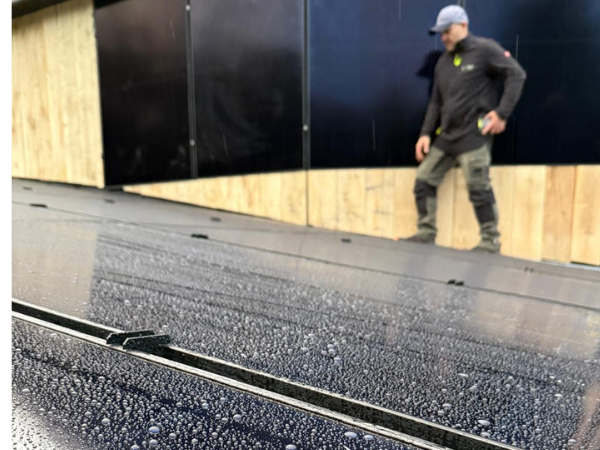
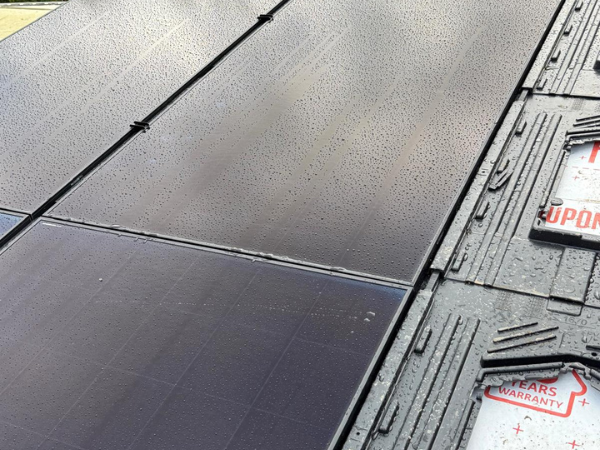
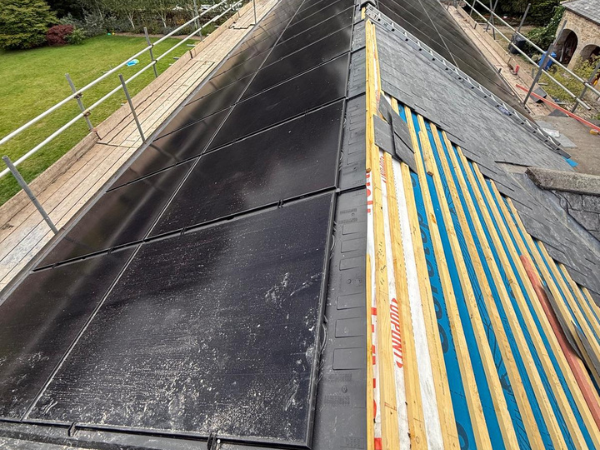
In-roof BIPV solar tiles integrated into building roofline
PT-01
In-roof systems
Solar modules installed within the roof plane, replacing conventional tiles or slates. Flush with the roofline — no visible mounting system. Suitable for pitched roofs on residential, commercial and mixed-use schemes where appearance is a priority or where conservation area restrictions apply. MCS-certified, weathertight to BS 5534.
FLUSH PROFILE CONSERVATION AREAS BS 5534 MCS CERTIFIED
BIPV solar cladding panels integrated into commercial building facade
PT-02
Cladding & facades
Photovoltaic modules replacing rainscreen cladding panels on commercial and residential facades. Monocrystalline, thin-film and coloured PV options allow architectural flexibility. East and west-facing facades are viable — generation profile spread across the day suits buildings with consistent daytime demand.
RAINSCREEN COLOURED PV E/W VIABLE THIN-FILM
BIPV solar glazing curtain wall on commercial office building
PT-03
Curtain walls & glazing
Semi-transparent PV laminated into curtain wall and atrium glazing. Provides solar control and daylighting management whilst generating electricity. Spandrel panel replacement in existing curtain wall systems. Custom cell density and transparency levels — specified to meet both energy performance and daylight factor targets.
SEMI-TRANSPARENT SPANDREL SOLAR CONTROL CUSTOM DENSITY
Bespoke architectural BIPV solar installation on feature building
PT-04
Architectural specials
Bespoke BIPV elements for signature projects — canopies, sunshading louvres, feature canopies and non-standard building geometries. Custom module sizing and framing. Designed from first principles to achieve the architectural intent whilst maximising generation from available surfaces. Each project individually engineered.
BESPOKE CANOPIES LOUVRES CUSTOM MODULE

Why specify
BIPV

01
Replaces conventional materials at marginal additional cost
When BIPV replaces the cladding or roofing material that would have been specified anyway, the net additional cost is substantially lower than a retrofit solar installation. The comparison is BIPV vs conventional material — not BIPV vs nothing.
02
Satisfies planning and sustainability conditions
On-site renewable generation requirements in planning conditions, EPC targets and Part L compliance are addressed without visible bolt-on technology. BIPV contributes to SAP/SBEM calculations and BREEAM credits.
03
Maintains architectural integrity
No visible mounting rails or racking. Module format, colour and transparency are controlled. Conservation areas, listed building settings and design-led schemes can incorporate generation without visual compromise.
04
Generates from all building surfaces — not just the roof
A south-facing facade generates approximately 70% of equivalent roof yield. Combined with roof and east/west surfaces, BIPV can generate significantly more than a roof-only installation on a constrained urban footprint.
05
25-year generation from building fabric installed once
BIPV modules are specified to match the design life of the building envelope. Generation income and cost reduction begin on day one of occupation and continue for the life of the building.
Designed for specifiers

How we work
with design teams

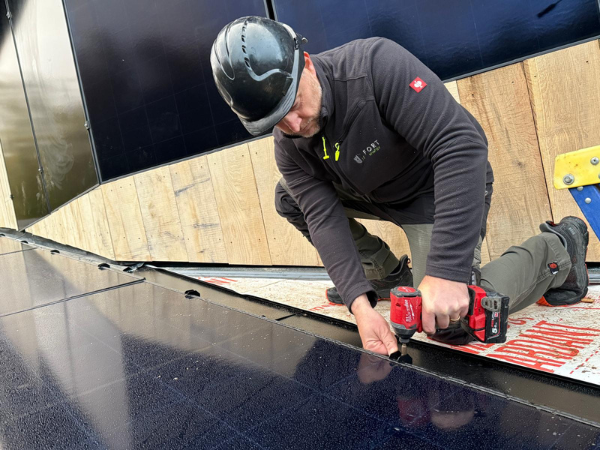
BIPV requires early involvement to be effective. We work alongside architects, structural engineers and envelope contractors from feasibility through to practical completion — providing technical input at each RIBA stage rather than arriving at construction with a product to retrofit.

Book a specifier consultation →
1
Feasibility & concept (RIBA 1–2)
Generation potential assessment, product type recommendation, indicative yield modelling and early-stage cost input. Output: feasibility report for planning and client.
2
Developed design (RIBA 3)
Detailed module specification, structural interface design, electrical single-line diagrams and DNO pre-application advice. NBS specification clauses provided.
3
Technical design (RIBA 4)
Full electrical design, inverter and storage specification, detailed structural drawings and coordination with envelope contractor programme.
4
Construction (RIBA 5)
Installation management, site supervision, DNO application management, protection relay commissioning and MCS certification.
5
Handover & in-use (RIBA 6–7)
O&M documentation, monitoring platform setup, generation reporting and post-occupancy review against modelled yield.

Book a
specifier consultation

BIPV works best when it is part of the design from the start. If you have a project at feasibility or concept stage, talk to us now — we'll provide product options, indicative yield modelling and early cost input without charge.